The awesomest things people made with AI



Daily curationMonday, 19 October
Games
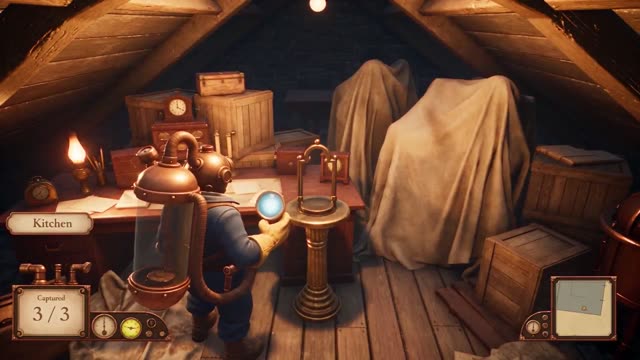
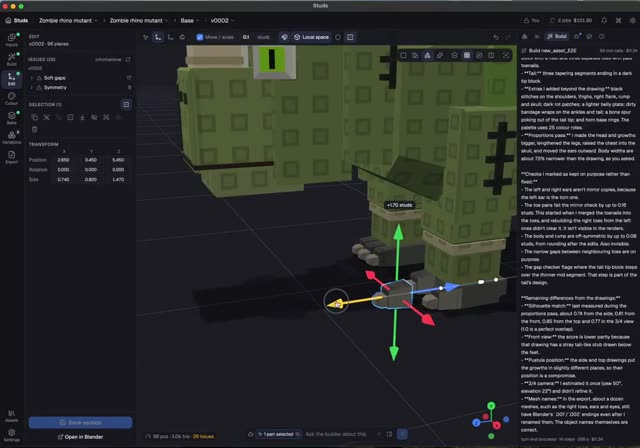
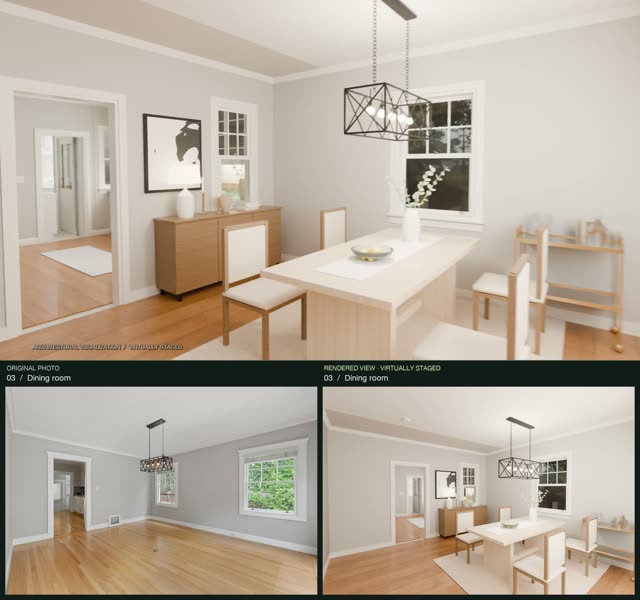
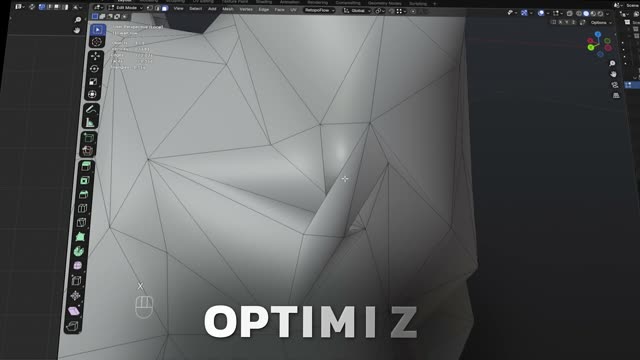
A game-ready room built with Opus 5.5, Blender, Tripo, and Unreal Engine 5
rewind used Claude Opus 5.5 to model a room in Blender, generate complex props with Tripo, and port the scene to Unreal Engine 5, with no one opening a 3D app by hand.
55554731 rewind @rewind02

Science
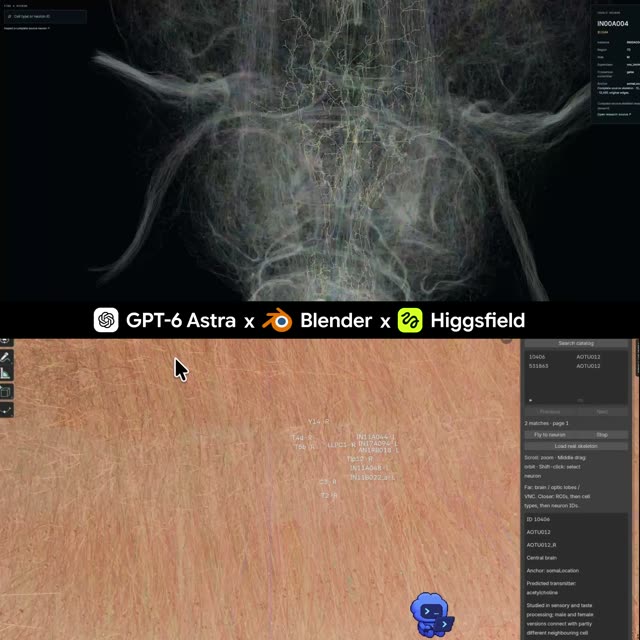
DiscoveryRSI: a model that recursively learns to discover valuable hypotheses
Ling Yang introduced DiscoveryRSI, which matches 6.3% of later published work versus 2.5% for GPT-6 and 2.3% for Claude Opus 5, with code and a live demo.
39155340 Ling Yang @LingYang_PU

Work
A 180-page investing retrospective to train hedge fund AI analysts
Brett Caughran, a former hedge fund professional now adjunct at ASU, built a 180-page retrospective on technology investing to teach production-grade digital investment analysts, and shared it as a PDF for feedback.
20115350 Brett Caughran @FundamentEdge

Apps & websites
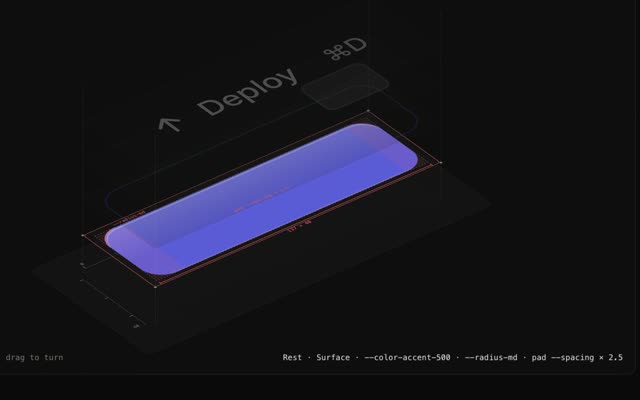
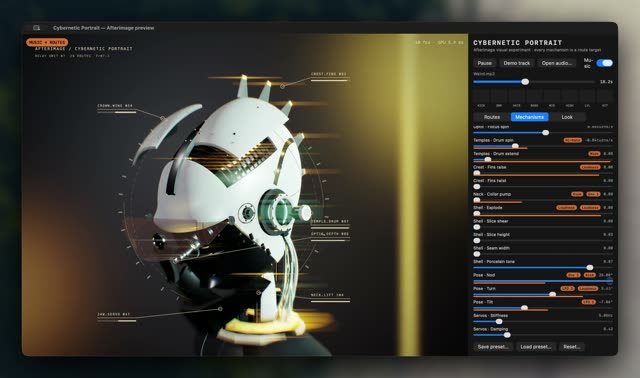
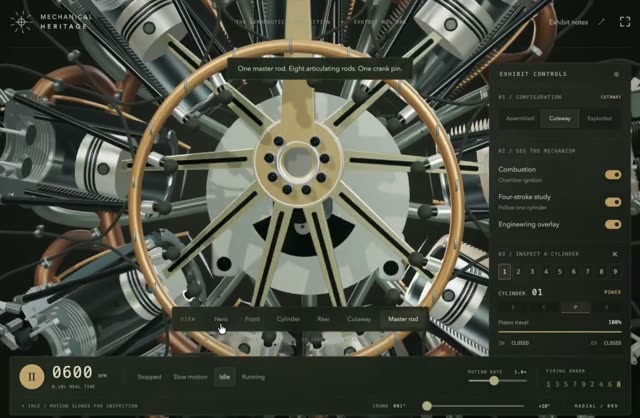
Describe a machine, Claude draws an interactive isometric figure
Anatomy is an open-source Claude agent skill: describe a machine in one line and it generates an interactive isometric wireframe you can rotate and inspect, with WebGL shaders for fire, water and plasma and parts that actually move.
18K1.5K26K R @wheresryan22

Robots & gadgets
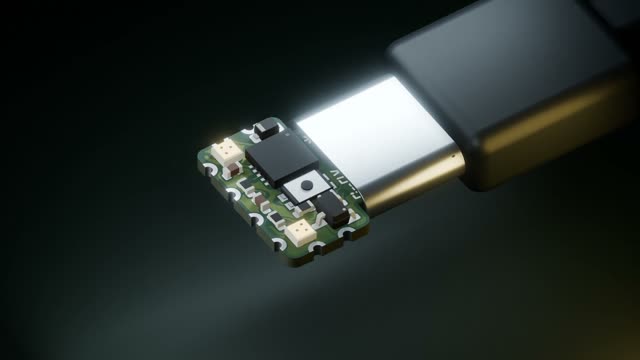
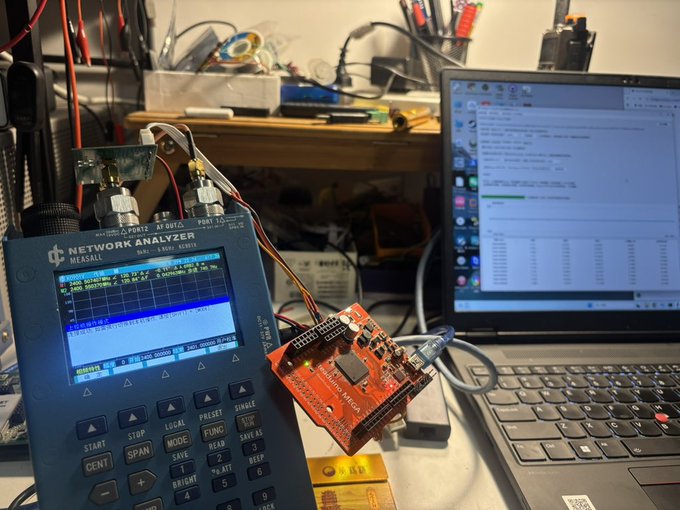
A $30 USB Wi-Fi dongle turned into a 40 Msps dual-band radio receiver
Luigi Cruz, creator of CyberEther, had GPT-6 Astra reverse-engineer an MT7921 dongle's firmware on a Raspberry Pi 5. After a few hours it streamed 14-bit I/Q at 40 MSps over USB 3.0 on both 2.4 and 5 GHz. The driver is one Python script, published as BirriaSDR.
41663355 Luigi Cruz @luigifcruz

Art, video & music
Claude-made 25-minute anime episode generated entirely in code
Ziwen used Opus 5.5 MAX for over 15 hours to write 34K lines of code, producing a 25-minute anime episode with no AI-generated video. The process cost about $370 in API tokens.
2.1K1291.6K Ziwen @ziwenxu_

Learning
An interactive map of all 384,000 farm fields in California
Zoom into any field to see what grows there, from lettuce in Salinas and cherries in Brentwood to 1.6 million acres of almonds. Built on public crop data from California's Department of Water Resources with models like Opus 5.5.
2K2271.2K Sabhya Chhabria @sabhyac267

Everyday life
Vibe coded a new launcher for parents' Xiaomi TV, removing ads and bloat
Gathin gave Claude Code the TV's model number; it found the TV on wifi, removed 25 Xiaomi packages, and wrote a new launcher that looks like an Apple TV.
26K98720K Gathin (Ø,G) @gathint
































































































































































































































No matches.